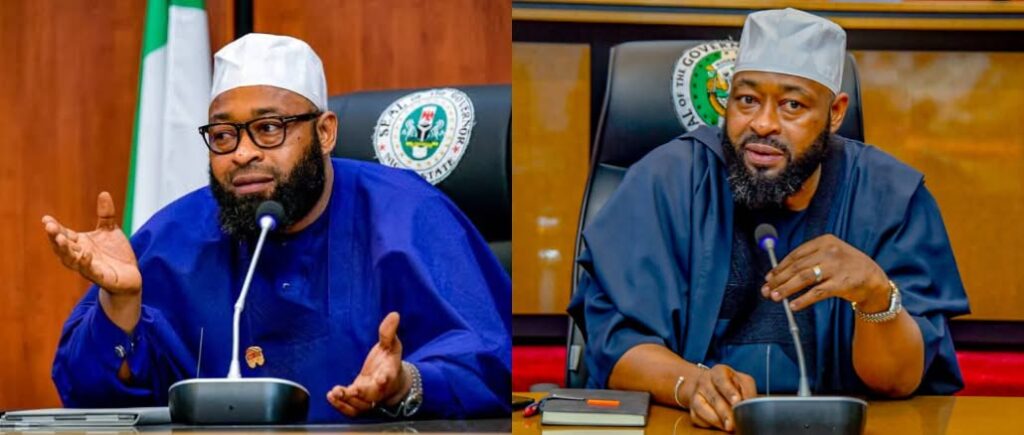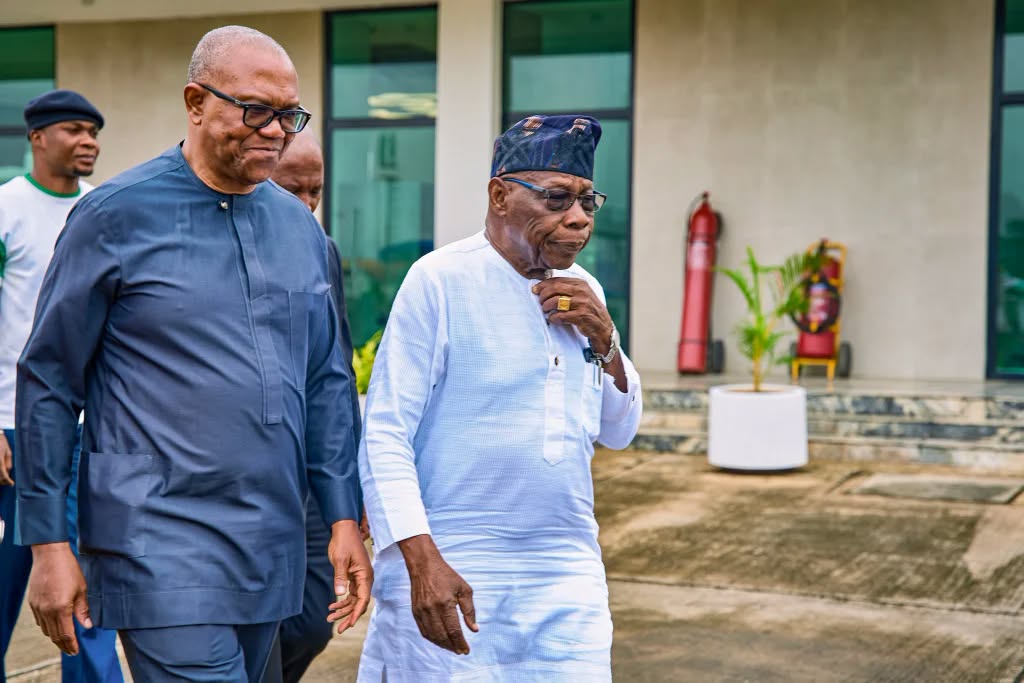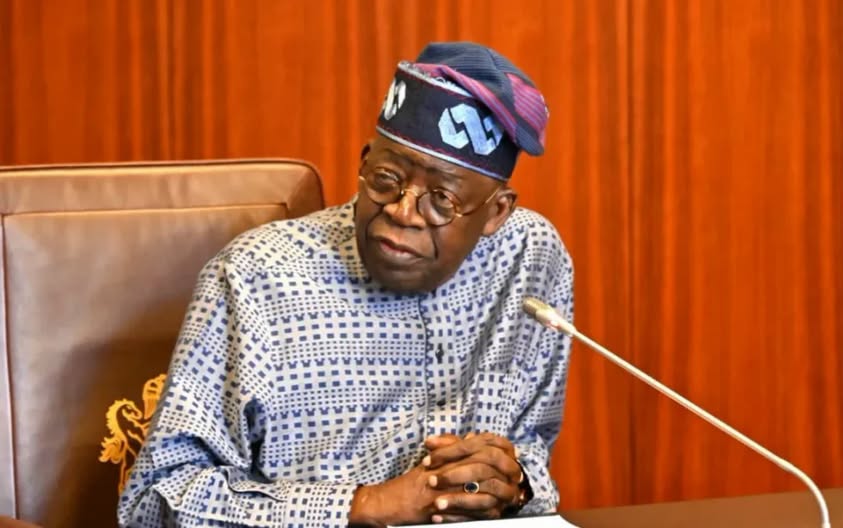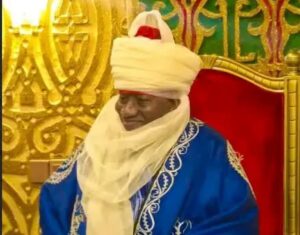
Former President Goodluck Jonathan has been conferred with the traditional title of Jigon Bauchi by the Bauchi Emirate Council, in recognition of his contributions to Nigeria’s democratic development and national unity.
The honour places the ex-president among the distinguished personalities who have earned royal recognition from one of Northern Nigeria’s most respected traditional institutions. For an emirate steeped in centuries of cultural heritage, the conferment of a title such as Jigon Bauchi is no small gesture — it reflects a deliberate decision by the traditional council to publicly acknowledge Jonathan’s legacy beyond the corridors of Aso Rock.
A Title Rooted in Recognition of Service
Traditional titles in Nigeria’s emirate system are not handed out casually. They are typically reserved for individuals whose service, influence, or contributions to society align with the values the throne seeks to promote. In conferring the Jigon Bauchi title on Jonathan, the Bauchi Emirate is understood to be honouring his role in strengthening Nigeria’s democratic institutions during his time in office.
Jonathan, who served as Nigeria’s president from 2010 to 2015, remains one of the most talked-about figures in the country’s political history. His decision to concede defeat in the 2015 presidential election, a first in Nigeria’s history for an incumbent, is widely cited as a defining moment that helped consolidate the country’s democratic culture and reduce post-election tensions.
That singular act continues to shape how Jonathan is remembered, not just within Nigeria but across the African continent, where he has since been engaged in election observation and conflict-resolution efforts. It is this broader legacy of democratic commitment that traditional institutions like the Bauchi Emirate appear keen to celebrate through honours such as the Jigon title.
Why the Honour Matters
The conferment carries symbolic weight for both Jonathan and the Bauchi Emirate. For the former president, it adds to a growing list of recognitions he has received from various traditional and cultural institutions across Nigeria since leaving office. For the emirate, it reinforces its standing as a custodian of values that transcend regional and political divides, choosing to honour a leader whose political base lies far from Northern Nigeria.
Such gestures also carry political undertones in a country where north-south relations remain a recurring theme in national discourse. By honouring a former president from the South-South region, the Bauchi Emirate signals an interest in unity and cross-regional goodwill — themes that resonate strongly in Nigeria’s ongoing conversations about national cohesion.
Traditional titles of this nature often come with ceremonial responsibilities, including representing the emirate at certain functions and serving as an ambassador of its cultural values. Details of Jonathan’s specific role under the Jigon title, as well as the full scope of the ceremony marking the conferment, are expected to emerge as more information becomes available.
What Comes Next
The conferment adds another chapter to Jonathan’s post-presidency profile, which has increasingly focused on democracy promotion, peacebuilding, and continental diplomacy. Nigerians and observers of Northern Nigeria’s traditional institutions will be watching to see how the former president engages with his new title going forward, and whether it opens further avenues for collaboration between the Bauchi Emirate and stakeholders in the South.
As more details of the ceremony and the emirate’s official citation become public, BMTV Nsukka will continue to track developments around this honour and its broader implications for Nigeria’s traditional and political landscape.