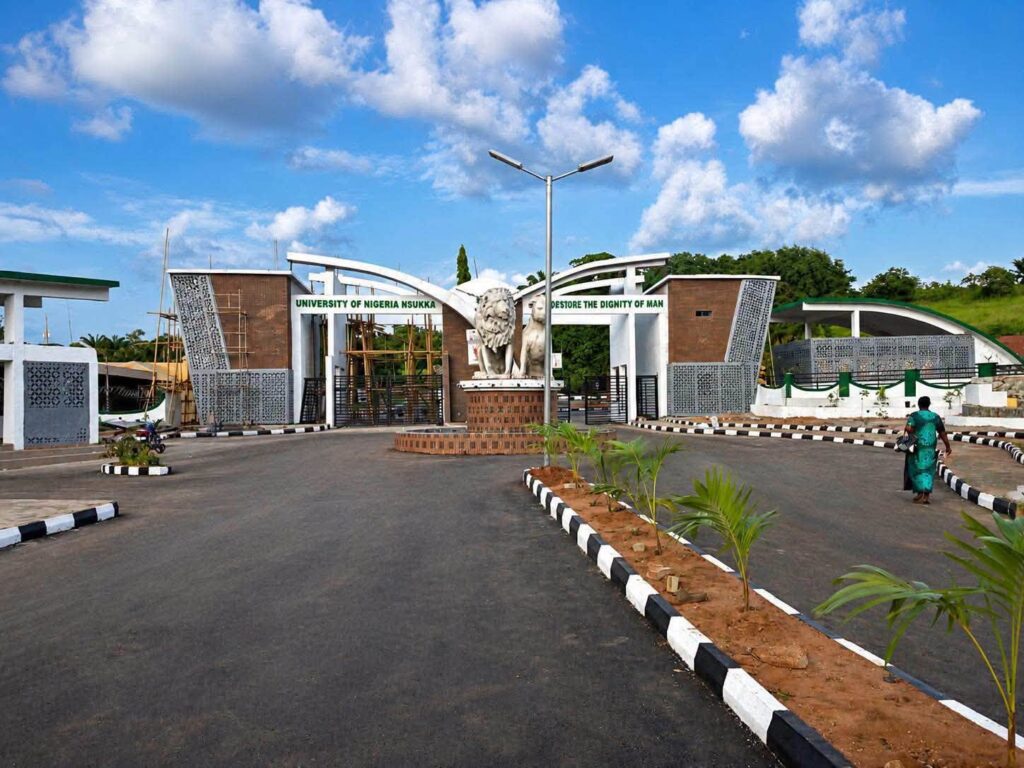
It was supposed to be Nigeria’s first indigenous university, a pioneer institution that other schools across the continent looked up to. Today, that story reads very differently. As the University of Nigeria, Nsukka marks another year of promises and setbacks, a new transportation policy meant to improve campus security has instead opened up an old wound between the institution and the communities that surround it.
The University of Nigeria, Nsukka, popularly known as UNN, imposed a full ban on motorcycles operating within its campuses in late June, a decision the university’s security unit said was necessary to strengthen surveillance and protect staff, students and visitors. According to a notice signed by the acting Chief Security Officer, Barrister Okey Ambrose, no motorcycle, whether privately owned or commercially operated, would be permitted within the university’s campuses from June 29, with any bike found on the premises after enforcement began subject to being impounded.
The decision followed a period of heightened anxiety on campus after a viral social media post alleged an impending attack and mass abduction of students, a claim the university’s management publicly dismissed as unsubstantiated. Even so, UNN moved quickly to tighten security, deploying soldiers and police officers to key entry points while restricting motorcycle movement across its grounds.
Solar Tricycles Roll In As Replacement
Weeks after the ban took effect, the university unveiled a fleet of solar powered tricycles designed to ease movement within the campus community, part of a wider Federal Government and TETFund deployment of solar vehicles to universities across the country. The tricycles, which reportedly charge a subsidised fare, were introduced to give staff, students and residents an alternative means of getting around campus without relying on motorcycles.
For many within the university, the shift represents a long overdue attempt to sanitise a transport system that had grown increasingly chaotic and, according to security officials, difficult to monitor. Supporters of the policy argue that restoring order and security should take priority, especially given the very real anxiety that gripped the campus in the weeks leading up to the ban.
Host Communities Say They Have Been Cut Off
Not everyone sees it that way. Members of neighbouring communities have reportedly raised concerns that the ban has done more than sanitise campus transport, they say it has effectively severed their ability to move freely between towns. According to residents, the university campus serves as the only connecting route linking Obukpa and Orba, two communities that depend heavily on motorcycles for daily movement and interaction.
With commercial motorcycles now barred from passing through university grounds, some community members say they have found themselves cut off from neighbours they once reached easily, forced instead to find longer, less convenient alternatives. Stakeholders from the affected communities have since called on university management to intervene on their behalf, appealing to both the Enugu State Government and the Nsukka Local Government Area to construct an alternative road that would reconnect the two communities without requiring passage through campus.
Whether that appeal gains traction remains to be seen. For now, the tension sits at the intersection of two legitimate concerns, a university trying to protect its community from real security threats, and neighbouring towns trying to preserve a connection that has existed for generations.
A University At A Crossroads
Beyond the immediate transport dispute lies a broader frustration many observers have voiced for years. As Nigeria’s first indigenous university, UNN was once expected to lead not just the country but the continent. Instead, years of what critics describe as politics, mismanagement and shifting institutional priorities have left the university trailing behind counterparts both within Nigeria and across Africa.
The motorcycle ban and its ripple effects on surrounding communities may seem like a narrow, localised dispute, but it reflects a familiar pattern, decisions made with good intentions at the top that create unintended consequences for the people living just outside the university’s gates. As UNN continues to navigate security concerns in an increasingly uncertain environment, how it chooses to engage with its host communities may shape not just its relationship with Obukpa and Orba, but its broader reputation as an institution meant to serve the people around it, not just those within its walls.